Coordinating with the CPAS and Legal Guardians During a Diogenes Clean-Up
Embedding home rehabilitation within a long-term social and legal integration plan
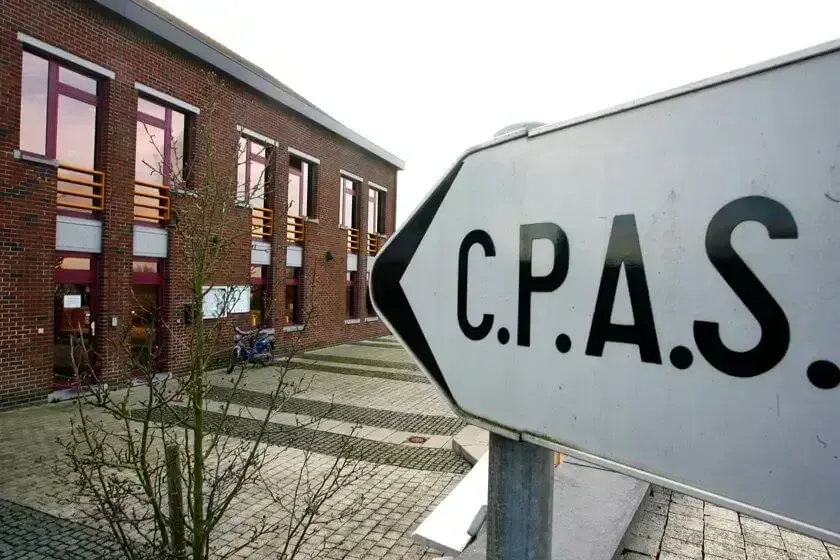
Resolving a case of extreme unsanitary living conditions is not just about removing waste and disinfecting. For the ASBL Cœur Historique, the legal and social support dimension is fundamental. By working hand in hand with the CPAS offices across the province of Liège, property administrators, and legal guardians, we ensure that our technical intervention fits seamlessly into the beneficiary’s official support plan.
The lack of an official framework and stalled case files
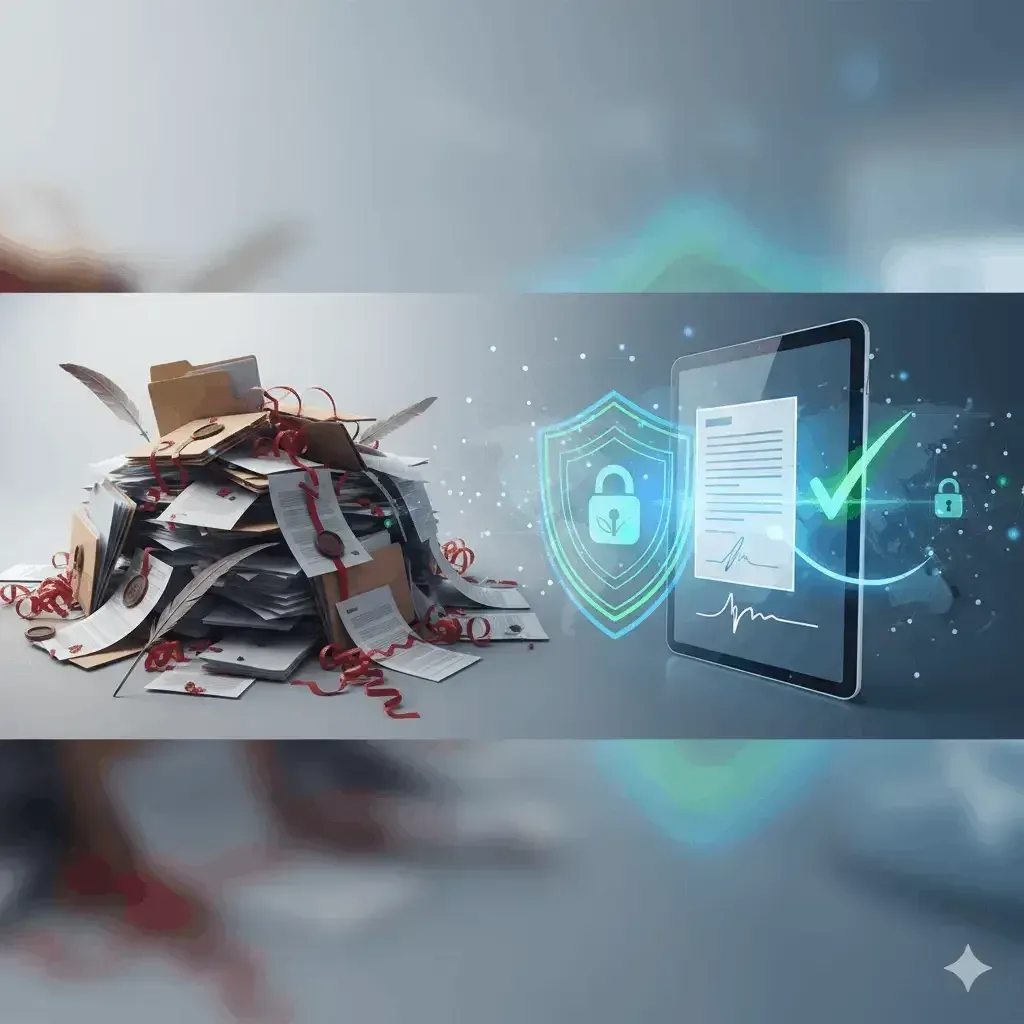
The main problem with improvised interventions is the lack of communication with the authorities managing the person’s life. The individual affected by Diogenes syndrome is often already subject to a legal protection measure (guardianship over property or person) or CPAS follow-up. Intervening without informing these professionals can invalidate ongoing rehousing procedures, block the release of funds needed for skips and containers, or create complex legal misunderstandings over ownership of the items removed.
The breakdown in communication between the beneficiary and their support workers
The main cause of this disconnect lies in the relational neglect inherent to the condition. The affected person hides their situation from their social worker and refuses to let their guardian into their home, for fear of being reported or placed elsewhere. Official mail from the authorities gets lost amid the accumulated waste, severing any bond of trust. Professionals are then left facing a black box: aware there is a problem, but unable to gauge its true severity or fund a clean-up at private market rates.
The risk of eviction and increased precarity
The consequences of a lack of coordination are dramatic for the occupant. Without a validated intervention, the landlord may eventually obtain an eviction order in court for failure to maintain the property, putting the person out on the street. If a costly clean-up is commissioned from a private company without the property administrator’s agreement, the resulting debt can burden the beneficiary for years, undoing all the social integration efforts already made by the municipality’s front-line services.
Cœur Historique’s tripartite consultation protocol
The solution provided by our ASBL is the systematic organisation of a consultation meeting before the first broom is even lifted. Our coordinators meet with the referring CPAS social worker and the person’s legal guardian. Together, we set a schedule, estimate the real logistical costs, and draw up a list of items or administrative documents to be located as a priority. The ASBL offers a solidarity rate adapted to social budgets. This partnership ensures full legal transparency and allows post-clean-up psycho-social follow-up to begin immediately, providing lasting stability for the beneficiary.
📋 Summary
| Partner’s Role | Key Mission | Benefit for the Occupant |
|---|---|---|
| ASBL Cœur Historique | Technical execution, manual sorting of documents, disinfection | Return to a decent, safe home |
| Guardian / Property Administrator | Legal validation, release of logistical funds | Financial and legal protection preserved |
| Liège CPAS | Local social follow-up, support for staying in the home | Human support to prevent relapse |