Managing Pests and Parasites in Stage-3 Unsanitary Homes
Neutralising biological vectors to achieve lasting sanitation in Walloon homes
The insanitary state of a home affected by Diogenes syndrome is not just about the accumulation of inert objects. From stage 3 onward, the home turns into a living ecosystem teeming with thousands of pests. For the ASBL Cœur Historique, pest control is a crucial step: it is impossible to restore a home to its human purpose without first eradicating the massive infestations that threaten public health.
Widespread infestation hotspots
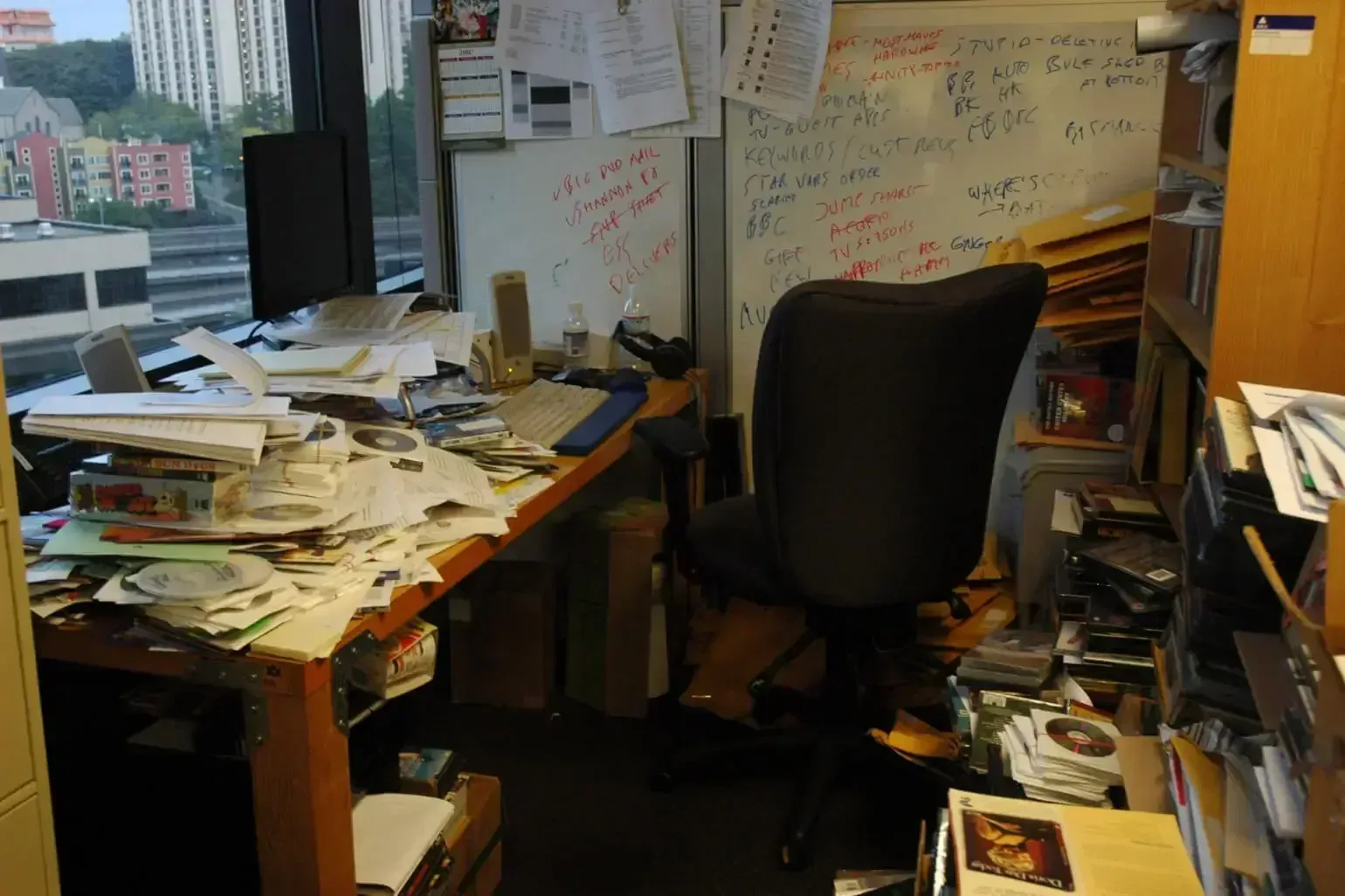
The findings when opening up an unsanitary site are often striking. Loose partitions, mattresses, skirting boards, and piles of paper harbour enormous colonies of German cockroaches, floor fleas, and bed bugs. At the same time, the presence of rodents (sewer rats and mice) shows up as burrows dug into insulation and droppings scattered everywhere, including on food preparation surfaces. This close proximity to pests makes the volunteers’ work particularly complex and hazardous.
Ideal conditions for organic proliferation
The main cause of this widespread infestation lies in the unlimited abundance of food and safe hiding places. Uneaten food scraps, soiled food packaging, and accumulated organic waste provide an inexhaustible source of nutrients for insects and rodents. Total household neglect removes any regular cleaning, allowing pest reproduction cycles to continue uninterrupted, while constant heating or stagnant humidity speeds up egg hatching.
Vector-borne diseases and structural damage
The consequences of these infestations go well beyond simple disgust. Pests are mechanical and biological vectors of serious diseases: salmonellosis, leptospirosis (transmitted through rat urine), and acute respiratory allergies caused by cockroach droppings. Repeated bed bug bites, meanwhile, cause anaemia and severe psychological distress in the occupant. In addition, rodents cause major structural damage by gnawing through electrical cables, creating an imminent fire risk.
Cœur Historique’s combined eradication strategy
The solution applied on the ground in Liège by our volunteers rests on a coordinated three-phase intervention. First, a broad-spectrum knockdown insecticide is sprayed as soon as the home is accessed, to bring down the population of flying and crawling insects. Second, the waste removed is immediately sealed in ultra-resistant, leak-proof bags to prevent pests from spreading into the neighbourhood. Finally, after sorting, a deep treatment using professional-grade gel and secure rodent traps is put in place to permanently sanitise the site.
📋 Summary
| Type of Pest | Main Risk | Mandatory Treatment Action |
|---|---|---|
| Cockroaches | Gastroenteritis, asthma | Knockdown fogging + application of biocidal gels |
| Rodents (Rats) | Leptospirosis, fires | Placement of secure baits and sealing of access points |
| Bed bugs | Skin lesions, insomnia | Targeted heat or chemical treatment of textiles |